

Call us now
08045802076
Continuous Pickling Line
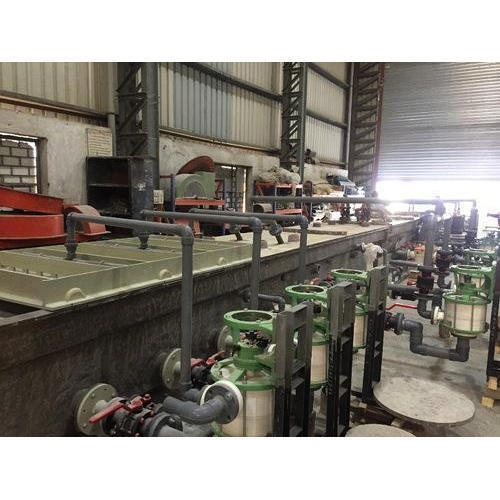

Continuous Pickling Line Specification
- Product Type
- Continuous Pickling Line
- General Use
- Industrial
- Material
- Other
- Type
- Industrial Processing Line
- Capacity
- Up to 500,000 tons/year (customizable)
- Weight (kg)
- Up to 80,000 kg (varies by configuration)
- Computerized
- No
- Automatic
- Yes (fully automated line)
- PLC Control
- Available
- Mixer Type
- In-line chemical mixer
- Heating System
- Indirect steam heating or electric heaters
- Shaft
- Heavy-duty, anti-corrosive shaft
- Drive Type
- Electric motor with variable frequency drive (VFD)
- Voltage
- 380V/415V, 3 Phase, 50/60 Hz
- Motor
- High-efficiency electric motor
- Dimension (L*W*H)
- Up to 100 m x 12 m x 8 m (customizable)
- Packaging Material
- Steel coil strapping, protective film wrap
- Feature
- High-speed operation, energy efficient, acid recovery system
- Color
- Industrial grey/blue (customizable)
- Applicable Material Width
- 600 mm to 2200 mm
- Recoiler System
- Automatic coil rewinding with tension control
- Pickling Solution
- Hydrochloric acid or sulfuric acid
- Maintenance
- Minimal, with remote diagnostics and support
- Drying Section
- High-temperature air knives or IR dryers
- Environmental Compliance
- Meets local and international regulations for emissions and effluent
- Safety System
- Emergency stop, safety guards, acid leak detection
- Rinsing Section
- Multi-stage fresh and recycled water rinsing
- Line Speed
- 60-200 m/min (adjustable)
- Operator Interface
- Touchscreen HMI panel
- Neutralization System
- Integrated alkali spray section
- Installation and Commissioning
- On-site service available
- Fume Exhaust System
- Multi-stage venting and scrubbing
Continuous Pickling Line Trade Information
- Minimum Order Quantity
- 1 Piece
- Supply Ability
- 10 Pieces Per Month
- Delivery Time
- 10 Days
- Main Domestic Market
- All India
About Continuous Pickling Line
Fumeless Pickling Lines are used for in-process continuous multi-wire pickling operations. This totally indigenous fumeless acid pickling line offers hassle-free pickling with no air pollution related problems. This compact, totally covered unit has built-in wire rinsing sections on each end of the line. There is no need to install any air pollution control devices as fumes are not allowed to escape. Made out of FRP and other engineering plastics, it offers a long life coupled with many other advantages for wire industries using acid for wire cleaning.Advanced Pickling Technology
This pickling line utilizes either hydrochloric or sulfuric acid to deliver effective and uniform oxide removal. The in-line chemical mixer and indirect heating system ensure consistent solution strength and temperature, improving cleaning efficiency while maintaining energy efficiency.
Efficient Rinsing and Drying
A multi-stage rinsing system, using both fresh and recycled water, thoroughly cleans the strip after pickling, minimizing water consumption. The drying section, featuring high-temperature air knives or IR dryers, ensures moisture-free coils ready for recoiling and subsequent processing.
Safety and Environmental Assurance
Multiple safety features, including emergency stops, acid leak detection, and safety guards, are integrated throughout. The advanced fume exhaust and scrubbing system meets strict emission standards, ensuring a safe working environment and regulatory compliance, both locally and internationally.
Smart Operation and Support
Equipped with a digital touchscreen HMI and PLC controls, the line is easy to operate and monitor. Remote diagnostics and minimal maintenance requirements reduce downtime, while on-site installation and commissioning services provide hands-on support for seamless adoption.
FAQ's of Continuous Pickling Line:
Q: How does the integrated neutralization system work in the Continuous Pickling Line?
A: The integrated neutralization system uses an alkali spray section that follows the pickling stage. This system effectively neutralizes residual acid on the steel surface before further rinsing, ensuring safe handling and meeting effluent requirements.Q: What materials and coil sizes can this pickling line handle?
A: This line is suitable for steel coils with a material width range from 600 mm to 2200 mm. It accommodates strip thicknesses typically processed in the industry and is capable of handling up to 500,000 tons per year, based on the customized configuration.Q: When should I choose hydrochloric acid or sulfuric acid for pickling?
A: The choice depends on your specific processing needs: hydrochloric acid is often selected for faster, more aggressive scale removal, while sulfuric acid is preferred for cost-sensitive applications. Both acids are managed with in-line mixing and heating for optimal performance.Q: Where is this Continuous Pickling Line typically installed?
A: The pickling line is installed in steel manufacturing or processing facilities, such as steel mills, coil service centers, or export-oriented units. It is designed for integration into existing production lines or new plant setups, with installation support provided on-site.Q: What is the process flow in this pickling line?
A: Steel coils are uncoiled and fed through the pickling section, where scale is removed with acid. After neutralization, multi-stage rinsing cleans the strip, which is then dried and automatically recoiled with tension control. Each stage is fully automated for efficiency and safety.Q: How does the fume exhaust system ensure environmental compliance?
A: The line features a multi-stage venting and scrubbing system that effectively captures and treats acidic fumes. This system meets local and international environmental standards for emissions, protecting worker health and the surrounding environment.Q: What are the benefits of using this automated pickling line for steel processing?
A: Key benefits include high-speed, energy-efficient operation, reduced manual intervention, advanced safety mechanisms, and minimal maintenance. The system's automation and remote diagnostics maximize productivity and uptime, making it a cost-effective solution for steel producers and service providers.Tell us about your requirement

Price:
Quantity
Select Unit
- 50
- 100
- 200
- 250
- 500
- 1000+
Additional detail
Mobile number
Email


Shivas Projects India Pvt. Ltd.
GST : 09AACCS4258D2ZD
GST : 09AACCS4258D2ZD
F625-F628, UPSIDC Industrial Area Phase II, Masuri-Gulwathi Road,Ghaziabad - 201015, Uttar Pradesh, India
Phone :08045802076
 Send Inquiry
 Send Inquiry
 Send SMS
 Call Me Free
SHIVAS PROJECTS INDIA PVT. LTD.
All Rights Reserved.(Terms of Use)
Developed and Managed by Infocom Network Private Limited.
Developed and Managed by Infocom Network Private Limited.

